
What makes the famous Portuguese pastry so irresistible? The aroma of freshly baked Pastel de Nata fills many a bakery, but did you know you can also make this iconic treat at home? This guide reveals everything you need to know for the ultimate Pastel de Nata recipe.
You'll get a glimpse into the rich history, learn which ingredients and tools you need, and follow clear step-by-step instructions. You'll also find surprising variations, serving tips, and handy solutions for common mistakes. Want to try your hand at the authentic pastel de nata recipe? Read on and get inspired!
The Origin and Popularity of Pastel de Nata
Historical background and origin
The story of Pastel de Nata begins in the imposing Jerónimos Monastery in Lisbon, sometime in the 18th century. Monks living there used egg yolks to starch their clothes, leaving them with a surplus. What do you do with all those yolks? You make a creamy custard, wrapped in crispy puff pastry. In 1837, the first Pastéis de Nata were sold commercially at Pastéis de Belém, near the monastery. Since then, this delicacy has become an integral part of Portuguese culture. Want to learn more about the origins and significance of this treat? Then be sure to read What is a Pastel de Nata?
Worldwide popularity and distribution
These days, Pastel de Nata is no longer just a Portuguese secret. You'll find the pastry in pastelarias across Europe, Asia, and even America. In Portugal, more than 10 million are sold annually, in 2023 alone. Food influencers and social media have amplified the global hype, making more and more people curious about the pastel de nata recipe. New bakeries are popping up everywhere, putting their own spin on the classic pastry. This is how it has become a true export product, beloved worldwide.
Why Pastel de Nata is so loved
What makes the pastel de nata recipe so irresistible? It starts with the unique combination of crispy puff pastry and velvety custard. The flavor is perfectly balanced: sweet, but never too sweet, with that lightly caramelized layer on top. This pastry is versatile and perfect for any time of day, whether you're looking for breakfast, dessert, or just a snack. It's no wonder Pastel de Nata is an icon of Portuguese cuisine and a favorite for anyone with a sweet tooth.
Pastel de Nata in the Netherlands
The pastel de nata recipe is also quickly gaining popularity in the Netherlands. In Amsterdam and other major cities, you'll find a growing number of bakeries and coffee shops offering this Portuguese classic. Sometimes they collaborate with Portuguese bakers for an authentic result, sometimes they add a local twist. Dutch customers are looking for the authentic taste and experience, and they're also eager to experiment with the pastel de nata recipe at home. The pastry has become a staple in the Dutch street scene.
Supplies and Ingredients for the Perfect Pastel de Nata
Want to try your hand at the ultimate pastel de nata recipe? It all starts with the right ingredients and tools. With a little attention to detail and some clever choices, you'll soon be serving up crispy, creamy tarts that look like they came straight from Lisbon.
Essential ingredients and their role
An authentic pastel de nata recipe requires a few simple but essential ingredients. You'll need puff pastry, preferably homemade for the ultimate layering, but frozen works just as well. Egg yolks create that signature creamy custard. You'll also use sugar, milk, heavy cream, a piece of lemon zest, and a pinch of cinnamon for the perfect balance of flavors. As a binding agent, choose cornstarch or flour, depending on your preference.
Below you will find the basics in a row:
| Ingredient | Function |
|---|---|
| Puff pastry | Crispy base |
| Egg yolks | Creamy custard |
| Sugar | Sweetness |
| Milk/cream | Smoothness |
| Lemon peel | Fresh touch |
| Cinnamon | Authentic taste |
| Cornstarch | Binder |
Want to get started right away? Then also check out this comprehensive Pastel de Nata recipe blog for extra tips and step-by-step instructions.
Choice of ingredients: quality versus convenience
When choosing ingredients for your pastel de nata recipe, you face a choice: do you go for convenience or top quality? Many home bakers opt for ready-made puff pastry from the supermarket, which is quick and easy. However, you'll taste the difference when you use organic milk and farm-fresh eggs.
Research shows that 70% of home bakers opt for convenience, but those who truly want to impress choose artisanal baking. When buying eggs, pay attention to their freshness and, with milk, the fat content. This way, you'll end up with a custard that's not only creamy but also deeply flavorful.
In short, with a little extra attention, you can elevate your pastel de nata recipe to the next level. Try different brands and discover what suits your taste.
Necessary baking tools and kitchen utensils
You don't need any fancy kitchen utensils for the pastel de nata recipe, but a few basics are essential. Use a muffin tin or, if you can find them, special pastel de nata molds for that authentic look. A whisk is useful for whisking the custard, and a saucepan is needed to heat the filling.
A good oven makes all the difference, especially if you use top heat to get that beautiful caramelized layer. Extras like a rolling pin, kitchen scale, or thermometer make things easier, but aren't required.
Here's a handy checklist:
- Muffin tin or Pastel de Nata moulds
- Whisk and saucepan
- Oven with top heat
- Rolling pin (optional)
- Kitchen scale (optional)
- Thermometer (optional)
With these tools you're all set for your pastel de nata recipe adventure.
Alternatives and vegan options
Want to make a pastel de nata recipe that fits a plant-based diet, or do you have allergies? Don't worry, there are plenty of alternatives. Use plant-based milk like oat milk or almond milk, and replace the egg yolks with a vegan egg substitute like aquafaba. Vegan puff pastry is also available in many supermarkets these days.
Many food blogs have now shared successful vegan pastel de nata recipes. The great thing is that you can keep experimenting with flavor and texture, for example, by adding coconut milk for a tropical touch.
This way, you can make the pastel de nata recipe accessible to everyone, without sacrificing that delicious Portuguese flavor. Try different variations and discover your favorite.
Step-by-Step: The Perfect Pastel de Nata Recipe
The perfect pastel de nata recipe starts with thorough preparation and ends with a crisp, creamy pastry everyone will want to savor. Whether you're a beginner baker or have made Portuguese treats before, this guide will guarantee success. Curious about fun facts and additional background? Then be sure to check out the Ultimate Guide to Pastel de Nata .
Step 1: Preparing the puff pastry
For a traditional pastel de nata recipe, puff pastry is the base. You can use homemade dough, but store-bought will also work just fine. Roll out the dough into a thin sheet, about 2 mm thick. Cut into rounds slightly larger than your ramekins.
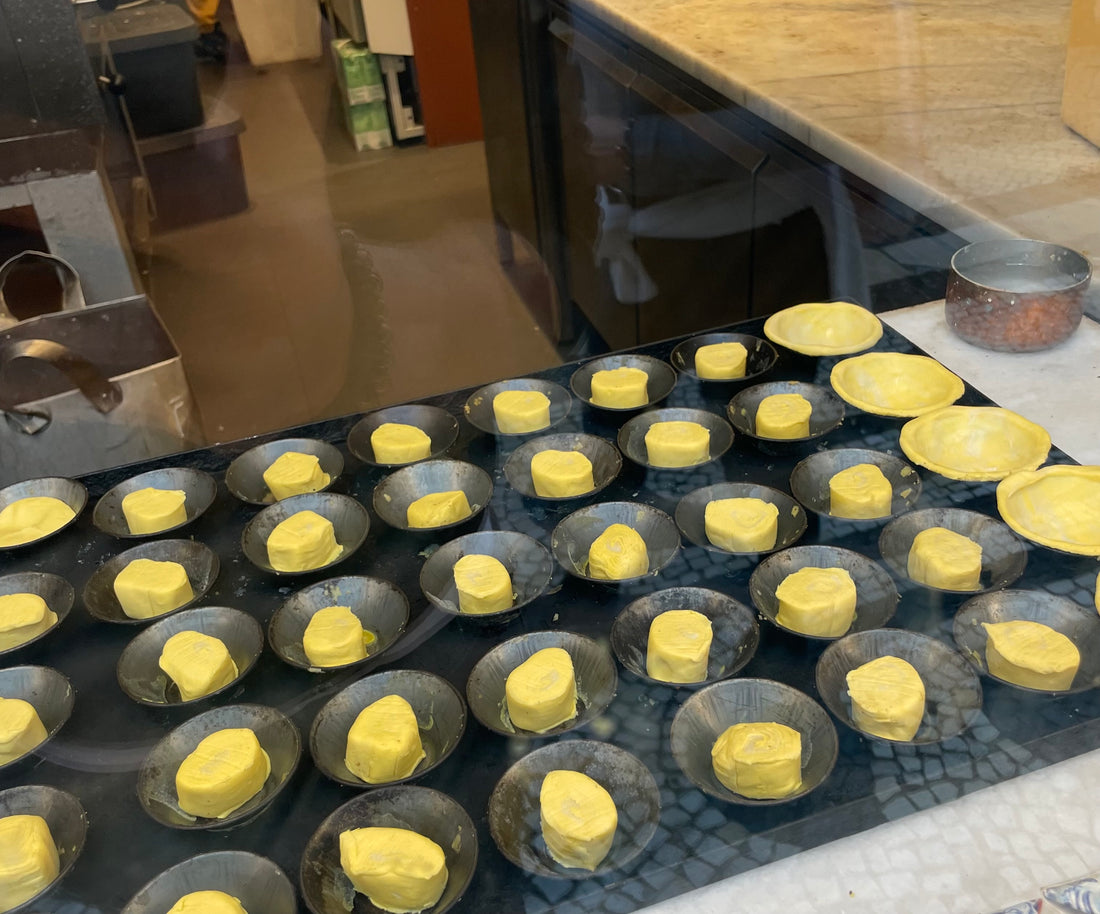
Use a special rolling technique: roll the dough into a tight roll, cut slices, and press them into the muffin tin. This technique creates the distinctive layers so characteristic of the pastel de nata recipe.
Tip: Be careful not to make the dough too thick, as this will make your crust tough. Too thin isn't good either, as the custard will run through. Experiment with different thicknesses and see what works best in your oven.
- Make sure the dough is well chilled before rolling it out.
- Lightly grease your molds to prevent sticking.
- Poke small holes in the bottom for an extra crispy result.
This base lays the foundation for a successful pastel de nata recipe.
Step 2: Make Custard Like a Pro
The custard is the heart of every pastel de nata recipe. Start by combining the egg yolks, sugar, milk, and cream in a saucepan. Add a twist of lemon zest for a fresh flavor and a pinch of cinnamon for that Portuguese touch.
Heat the mixture over medium heat, stirring constantly, until it thickens. The ideal temperature is around 80 to 85°C (176 to 183°F). Don't have a thermometer? Keep an eye on the custard if it sticks to the spoon. Too hot? It will curdle quickly.
At the last minute, add a little cornstarch to thicken the custard, whisking constantly to prevent lumps. This creates a silky, creamy filling that's perfect for the pastel de nata recipe.
- Always use fresh eggs for the best taste.
- Let the custard cool slightly before continuing.
- Try not to taste too much, or before you know it, half of it will be gone.
With this step, your pastel de nata recipe will be on solid footing.
Step 3: Filling the molds
Now comes the fun part of the pastel de nata recipe: filling the molds! Carefully pour the custard into each mold. Fill them to about 1 cm below the rim, otherwise you risk the filling boiling over in the oven.
You can use a piping bag for smooth results, but a spoon works just as well. Make sure the filling is evenly distributed and there are no air bubbles. If necessary, gently tap the mold on the counter.
- Don't overfill or you'll make a mess.
- Work quickly so that the puff pastry doesn't soften.
- Clean the edges for a neat finish.
Once everything is ready, you're almost at the pinnacle of the pastel de nata recipe.
Step 4: Baking and caramelizing
Preheat the oven to its highest setting, preferably above 250°C (482°F). Pastel de nata recipes require high temperatures for that characteristic crispy crust and caramelized top. Place the ramekins in the center of the oven.
Bake the pastries for 10 to 15 minutes, until the custard is bubbling and the top is dark brown. Rotate the pan halfway through baking to ensure an even result. Be careful: burning is a risk at such a high temperature.
Want extra caramelization? Light the grill briefly for a Portuguese finish. But stay alert, as it can quickly overcook. Your pastel de nata recipe is now almost ready to enjoy.
- Check the color: light brown with dark spots is perfect.
- Use oven mitts as the ramekins will be very hot.
- After baking, leave the oven door open for a while to allow moisture to escape.
Now your kitchen already smells wonderful of a pastel de nata recipe.
Step 5: Cool and serve
Once the pastries are out of the oven, let them rest in the pans for a moment. This will help them develop their firm texture. Then carefully remove them from the pans and let them cool completely on a wire rack.
Pastel de nata is traditionally eaten lukewarm, sprinkled with powdered sugar and cinnamon. But they're also delicious cold. In Portugal, they're often served with espresso, for breakfast or as a snack.
- Serve immediately for best crispiness.
- Try it with a scoop of ice cream for a surprising dessert.
- Store them for a maximum of two days, as they taste best fresh.
This is how you make serving your pastel de nata recipe complete.
Common mistakes and how to avoid them
Making your own pastel de nata recipe can sometimes be tricky. The most common mistake? A custard that's too wet or a sagging dough. You can solve this by thickening your custard well with cornstarch and preheating your oven thoroughly.
Burnt top? Turn the oven down a bit or cover the pastries with aluminum foil. Collapsed dough is often caused by rolling it out too thinly or baking it too long.
Here's a handy checklist:
- Custard too wet? Use more thickener.
- Crust not crispy? Bake briefly at a higher temperature.
- Burned? Keep an eye on the baking time.
Did you know that 40% of bakers experience problems with caramelization? Practice makes perfect. With this pastel de nata recipe, you're sure to succeed.
Order Pastéis de Nata from Mister Nata
Don't have time to whip up this pastel de nata recipe yourself? No problem. At Mister Nata in Amsterdam, you can order authentic Pastéis de Nata. They're baked fresh daily and are available in various flavors and gift packaging.

Ideal if you want to compare your own baking results, or simply enjoy them without the hassle. Orders can be placed throughout the Netherlands and Belgium, with extra-fast delivery in Amsterdam. This way, you can taste the best pastel de nata recipe without having to venture into the kitchen.
Get inspired by the flavors, or give a box as a gift to a true connoisseur. This makes enjoying pastel de nata a breeze.
Variations on the Classic Recipe
There's so much more to the classic pastel de nata recipe than you might think. This Portuguese classic has spawned countless creative variations around the world, so if you enjoy experimenting or are looking for something new, read on. From regional Portuguese variations to surprising international twists, healthy alternatives, and playful toppings, you'll find plenty of inspiration here.
Regional and international variants
The pastel de nata recipe has numerous regional and international variations. In Portugal itself, the filling and pastry vary by region. For example, Pastéis de Belém from Lisbon is famous for its secret, extra-creamy custard. In other parts of the country, bakers add orange zest or even almonds.
Internationally, you're seeing more and more creative interpretations of the pastel de nata recipe. In Asia, matcha is used for a green twist, while in Brazil, you sometimes find a filling with passion fruit or coconut. Even chocolate or red fruit are popping up in trendy bakeries worldwide.
These variations demonstrate just how flexible the pastel de nata recipe really is. Whether you're looking for an authentic flavor or want to try something different, there's always a version to suit you.
Healthier alternatives and diet options
Looking for a healthier pastel de nata recipe or need to accommodate a specific diet? Fortunately, there are plenty of options to make this treat lighter or even vegan. Consider replacing regular milk with almond or oat milk and using less sugar. For gluten-free options, you can use gluten-free puff pastry.
More and more people are choosing vegan pastel de nata recipes. These use plant-based milk and egg substitutes, so vegans can also enjoy this Portuguese classic. Looking for inspiration? Check out the Vegan Pastel de Nata options for delicious plant-based recipes.
With these alternatives, the pastel de nata recipe remains surprisingly accessible, whatever your dietary requirements.
Creative toppings and serving suggestions
The pastel de nata recipe is delicious as is, but you can vary it endlessly with toppings and presentation. Classics include cinnamon and powdered sugar, which you sprinkle liberally over the warm pastry. Want something a little more special? Try citrus zest, fresh red fruit, or a scoop of vanilla ice cream as a topping.
Combinations with whipped cream, melted chocolate, or even salted caramel are also popular with foodies. In Portugal, pastel de nata is often served with a strong espresso, but port wine or a dessert wine also pair perfectly.
Let your creativity run wild and turn the pastel de nata recipe into your own personal celebration.
Pastel de Nata as a dessert in restaurants
The pastel de nata recipe is increasingly making its way onto the dessert menus of Dutch restaurants. You see it not only at Portuguese eateries, but also in trendy fusion and fine dining establishments. Chefs are presenting the pastry on a mirror of passion fruit coulis, for example, or pairing it with sorbet and crispy crumble.
This gives the pastel de nata recipe a modern twist that makes it appealing to a wide audience. More and more restaurants are paying attention to presentation, with little works of art on the plate. As a result, the pastry is becoming a favorite dessert for gourmets and lovers of Portuguese cuisine.
Tips, Tricks and Frequently Asked Questions about Pastel de Nata
Whether you're a beginner baker or have tried pastel de nata recipes before, clever tips really make all the difference. Everyone wants that perfect crispy crust and creamy filling, right? With these handy tips, you'll get the best results from your oven.
Expert tips for the perfect result
Want to take your pastel de nata recipe to the next level? Start with thorough preparation. Measure your ingredients carefully and use fresh ingredients for the best flavor. Make sure your oven is hot enough, at least 250°C (482°F), so the custard caramelizes beautifully and the puff pastry crisps up.
Use a whisk to prevent lumps and add the lemon zest and cinnamon at the very end for a fresh, authentic flavor. Need inspiration from the real pros? Then be sure to check out Michel van der Kroft's recipe for a masterful approach.
Frequently asked questions and practical solutions
Is your pastel de nata recipe not always turning out as you'd hoped? Don't worry, here are the most common questions:
- How do I prevent a soggy base? Bake on the bottom shelf of your oven and use well-chilled puff pastry.
- Can I freeze pastel de nata? Yes, let them cool completely first and then store them in an airtight container.
- How long do they stay fresh? They're best within 2-3 days, but straight from the oven remains a favorite.
Is the custard still too runny? Let it thicken a little longer over low heat. This way, every pastel de nata recipe will be a success.
Storing and reheating Pastel de Nata
Want to keep your pastel de nata recipe for longer? Store them in an airtight container, preferably outside the refrigerator if you're eating them quickly. They'll keep in the refrigerator for up to three days, but the crispiness may diminish slightly.
To reheat, it's best to use an oven at 180°C (350°F) for a few minutes. This will restore their crispy texture without drying out the custard. If you freeze them, let them thaw slowly and reheat briefly.
Pastel de Nata as a gift or treat
A pastel de nata recipe is not only fun to make yourself, but also perfect as a gift. Wrap them in a pretty box, add a ribbon, and you have a unique treat for birthdays or parties.
Don't forget the holidays: a luxurious box of pastéis de nata always makes a great corporate gift or Christmas present. You can even choose personalized packaging, making your pastel de nata recipe extra special.
After reading this guide, have you also developed a craving for a truly delicious Pastel de Nata? Now you know exactly how to make them yourself, what to look for, and how to serve them. But sometimes you just want to enjoy the best Portugal has to offer right away – without any kitchen hassle. Luckily, Mister Nata offers fresh, authentic Pastéis de Nata in a variety of flavors, baked daily. Perfect if you're looking for convenience, want to compare them to your own pastries, or simply want to treat yourself.
Order now