
Pastéis de nata are known for their irresistible combination of crispy puff pastry and soft custard filling. This Portuguese delicacy is rapidly gaining popularity around the world, and especially in the Netherlands.
More and more home bakers are wondering: what are the real pasteis de nata ingredients that give it that authentic flavor? The answer is less complicated than you might think, but it's incredibly important for laying the right foundation.
In this guide, you'll discover exactly which basic ingredients you need, why they're so important, and how to choose the best quality. You'll also get practical tips for dietary requirements, learn how to avoid common mistakes, and get helpful buying tips.
Ready to get started and discover the secret of authentic pastéis de nata? Read on and join the baking fun!
What Are Pastéis de Nata?
Pastéis de nata are small Portuguese pastries that are winning hearts worldwide with their unique flavor and delicious texture. But where does this delicacy come from, and why does its popularity continue to grow, even among Dutch bakers searching for the best pasteis de nata ingredients?
Origin and history of pastéis de nata
The story of pastéis de nata begins in Lisbon, Portugal, in the early 19th century. Monks from the Jerónimos Monastery used egg yolks to starch their clothes and therefore had a lot of egg whites left over. To avoid waste, they invented a filling of egg yolks, sugar, and milk in crispy puff pastry: the first pastéis de nata.
After the closure of the monasteries, the secret recipe spread through the famous Pastéis de Belém bakery. From Lisbon, the pastries conquered all of Portugal and then the world. You can now find pastéis de nata in bakeries from London to New York and even in Japan. Millions of pastries are exported annually, and according to Google Trends, thousands of Dutch people search for pasteis de nata ingredients every month.
The authentic taste is unlike any other sweet treat. It's a slice of Portuguese culture and hospitality, wrapped in a crisp, creamy pastry.
Characteristics of a true pastel de nata
A true pastel de nata is recognizable by its thin, golden-brown puff pastry base that crunches with every bite. This is topped with a velvety-smooth custard filling, pale yellow in color, dotted with dark caramelized spots. The flavor is creamy, subtly sweet with a hint of citrus and vanilla.
Traditionally, pastéis de nata are served lukewarm, often dusted with powdered sugar and cinnamon. This adds just that little something extra to the taste experience. What makes them different from, say, an English custard tart? The secret lies in the combination of an ultra-thin pastry and a light, rich filling. If you'd like to learn more about the unique characteristics and origins of this Portuguese classic, be sure to read about the characteristics of pastéis de nata .
Why the right ingredients are essential
The magic of pastéis de nata begins with the pasteis de nata ingredients. Each ingredient influences the flavor, texture, and appearance. For example, use too much sugar and the filling will be too sweet. Not enough cream? Then you'll miss that creamy softness.
Small differences in pasteis de nata ingredients can create surprisingly dramatic flavor changes. While countless recipes exist, the basics remain: puff pastry, egg yolks, milk, sugar, and flavorings. Did you know that in 2024, more than 25,000 Dutch people searched online for pasteis de nata ingredients? This demonstrates the importance of choosing the right base, especially for beginners. This way, you can confidently embark on your first Portuguese baking adventure.
The Basics: Essential Ingredients Explained
Any home baker who wants to try pasteis de nata ingredients will immediately realize: the foundation makes all the difference. With the right ingredients, you can create that signature Portuguese flavor and texture. In this section, we'll delve into the heart of the recipe, so you know exactly what to look for.
Puff pastry: the foundation of pastéis de nata
Puff pastry is the backbone of every pastel de nata. You want thin, airy layers that bake up crispy and feel light. There are several types of puff pastry you can use: fresh puff pastry (from the refrigerator), frozen puff pastry, or you can make your own.
Homemade puff pastry often produces the most beautiful layers, but it takes some practice and time. Ready-made puff pastry is convenient, quick, and readily available in the Netherlands. Pay close attention to the fat content: puff pastry made with real butter provides the best flavor and texture, while margarine gives a more neutral result. Always check the ingredients list on the packaging.
A handy overview:
| Type of puff pastry | Advantages | Disadvantages |
|---|---|---|
| Fresh | Easy to process | Shorter shelf life |
| Freezer | Always in stock | Defrosting required |
| Homemade | Ultimate freshness, taste | Time consuming, technical |
Want to know more about choosing the right puff pastry and what to look for? Then be sure to read the Tips for Choosing Puff Pastry . It pays to choose wisely, because the base of your pasteis de nata ingredients directly determines the final result.
Custard filling: the secret formula
The custard filling is the heart of pasteis de nata ingredients. Its creamy texture is created by a mixture of egg yolks, sugar, milk, cream, and a thickener like cornstarch or flour. Only the yolks give it that velvety texture and deep yellow color.
Use caster sugar for a smooth filling. The ratio of milk to cream is crucial: a mix of whole milk and heavy cream provides the perfect balance of creaminess and lightness. Traditionally, 500 ml milk, 100 ml cream, 6 egg yolks, and 150 grams of sugar, along with a tablespoon of cornstarch, are often used.
Aromatic accents complete the look. Grate some lemon zest (just the yellow part) and add half a vanilla pod for a classic Portuguese flavor. It's all about balance: too much sugar or too little cream completely changes the experience of your pasteis de nata ingredients.
Additional flavorings and optional additions
Classics are always the best, but with extra flavors, you can give your pasteis de nata ingredients a personal touch. A cinnamon stick cooked into the custard adds a subtle spiciness.
Some bakers add a bit of orange zest for a fresh note. A dash of Portuguese liqueur, like Ginjinha, adds a touch of excitement. Feel free to experiment, but remember: small adjustments can significantly impact the balance.
These extras give your pasteis de nata ingredients that extra bit of flair. Experiment to find what you like best, but always start with the basics in order.
Common mistakes in ingredient selection
Even experienced bakers sometimes make mistakes with pasteis de nata ingredients. The most common pitfalls:
- Too little or too much sugar, which makes the custard too bland or too sweet.
- Incorrect ratio of milk to cream, resulting in a filling that is either too thin or too heavy.
- Using whole eggs instead of just yolks makes the texture less creamy.
- Puff pastry that has been rolled out too thick, causing it to not bake properly until crispy.
Pay close attention to the quality of your pasteis de nata ingredients and weigh everything accurately. By avoiding these mistakes, you'll create an authentic and delicious result.
Quality & Origin: How to Choose the Best Ingredients
The success of your homemade pastéis de nata truly depends on the quality of the ingredients. Even small differences in taste or texture can make or break your result. In this section, you'll discover what to look for when choosing the best pasteis de nata ingredients.
Eggs: freshness and quality
Good eggs are the foundation of perfect custard. Ideally, choose organic or free-range eggs. They not only give a better yellow color but also contribute to a better flavor. Free-range eggs are fine, but always try to buy fresh ones.
How do you spot fresh eggs? Look for a firm yolk, a compact white, and a clean smell. In the Netherlands, we eat about 200 eggs per person per year, according to Statistics Netherlands (CBS), so there's plenty of choice. Don't forget that pasteis de nata ingredients made with fresh eggs make that authentic Portuguese custard.
Dairy: milk and cream
For the filling, you'll need milk and cream. Whole milk gives a rich flavor and a creamy texture. Semi-skimmed milk is fine, but you'll miss that authentic Portuguese velvety texture. Heavy cream is ideal because of its higher fat content, but cooking cream also works if you prefer a slightly lighter filling.
When buying, look for local, short-chain brands, as these are often the freshest. For the tastiest pasteis de nata ingredients, many bakers recommend using room-temperature milk and cream for the best results.
Sugar and flavorings
Granulated sugar is standard for pastéis de nata, as it dissolves easily and creates a lovely caramelization. Powdered sugar is especially useful for sprinkling over the pastries later. Use real vanilla (pod or extract) instead of vanilla sugar for a deeper flavor.
Regarding lemon peel, choose organic if possible, so you don't get any waxes or pesticides in your custard. If you'd like to learn more about the role of pasteis de nata ingredients and their function, check out the Pastéis de nata recipe and explanation for additional insights.
Puff pastry: ready-made or make your own?
Puff pastry makes or breaks your pastel de nata. Homemade puff pastry produces the crispiest result, but ready-made from the supermarket is a great alternative if you want to save time. When using ready-made puff pastry, make sure you use real butter; you'll really taste it in the flavor.
Popular brands in the Netherlands include Tante Fanny, Koopmans, and Albert Heijn's own brand. For authentic Portuguese pasteis de nata ingredientes, thin, airy puff pastry is essential. Butter provides that authentic flavor and texture.
Seasonal influences and regional differences
The flavor of dairy and eggs can vary with the seasons. Spring milk is often creamier thanks to the fresh grass, which makes your custard extra delicious. In some regions of Portugal, for example, bakers add orange zest instead of lemon.
It's fun to experiment with local, seasonal ingredients when choosing pasteis de nata ingredients. This gives your pastries a unique touch and lets you taste the differences between seasons.
Alternatives & Diet Options: Vegan, Gluten-Free & More
Love pastéis de nata, but have special dietary requirements? Good news: with a little creativity, you can completely adapt this Portuguese classic to your lifestyle. In this installment of the pasteis de nata ingredients guide, you'll discover how to make vegan, gluten-free, and other diet-friendly versions without compromising on taste or texture.
Vegan pastéis de nata
Vegan pastéis de nata are surprisingly accessible. The biggest challenge is replacing egg yolks, which normally provide the binding and beautiful yellow color. Fortunately, there are plant-based options, such as silken tofu, cornstarch-based custard powder, or even aquafaba. For the creamy filling, use a plant-based milk, such as soy or oat, and replace the heavy cream with coconut cream or a plant-based alternative.
Puff pastry is also often vegan, especially when you choose options based on plant-based margarine. Always check the label, as butter is sometimes used. Looking for inspiration and an overview of vegan alternatives? Then check out the Vegan and diet-friendly options for pastéis de nata. You'll find helpful tips and examples there to make your pasteis de nata ingredients completely plant-based.
Gluten-free options
Do you have a gluten allergy or are you gluten-free? You can still enjoy the flavor of pastéis de nata. The most important ingredient for pastéis de nata is the puff pastry. You can find gluten-free puff pastry sheets in the supermarket, usually made with corn or rice flour. You can also make your own, using a mix of gluten-free flours and a little xanthan gum for elasticity.
For the custard filling, choose a gluten-free binding agent, such as cornstarch. Be sure not to use wheat flour. The texture will be slightly different: often a bit brittle and less airy than the classic version, but the flavor remains delicious. Feel free to experiment with different brands to find your favorite pasteis de nata ingredients.
Lactose-free and other dietary requirements
Are you lactose intolerant or want to use less sugar? No problem! You can easily adjust the pasteis de nata ingredients. Use lactose-free milk and cream, or choose plant-based alternatives like almond, coconut, or rice milk. Each of these will give the custard its own subtle flavor.
For a sugar-free version, you can replace regular sugar with stevia, erythritol, or coconut blossom sugar. Keep in mind that these sweeteners can sometimes affect the color and texture of the filling. Also, be sure to check for potential allergens in the puff pastry, such as soy or nuts, if you have allergies to certain ingredients.
Practical tips for beginners with dietary requirements
Adapting pasteis de nata ingredients for a diet can be quite daunting. Always start with small amounts and taste as you go. Read labels carefully, especially for ready-made puff pastry and plant-based cream. Buy your ingredients at a health food store or a large supermarket, where there's often a wider selection.
Common mistakes include forgetting binding agents in vegan and gluten-free versions, or using overly sweet alternatives. Try different brands and recipes until you find your ideal pasteis de nata ingredients. Don't be discouraged if it's not perfect right away; with a little practice, it's sure to be a success. You'll soon be enjoying your own diet-friendly Portuguese treat!
Step by Step: Preparing and Storing Ingredients
You can buy the best pasteis de nata ingredients, but preparation really makes all the difference. Starting well-prepared prevents stress and ensures top results. Always start with a clean workspace. This way you maintain an overview and prevent things from going wrong.
Step 1: Prepare the ingredients
For perfect pasteis de nata ingredients, it's important to separate the eggs neatly. Tap the egg on the counter, not on the edge of a bowl, to prevent any egg shell residue from penetrating the yolk. Take the milk and cream out of the refrigerator to bring them to room temperature; this will make mixing easier later.
Grate the lemon zest very thinly; the white part imparts a bitter flavor. Roll out the puff pastry to about 2-3 millimeters thick for a light crust. This gives you that characteristic crunch everyone loves. Everything ready? Then you can work faster later and maintain the optimal flavor.
Step 2: Measure and mix ingredients
Accurate weighing is the key to consistent pasteis de nata ingredients. Always use a kitchen scale for measuring sugar, flour, and other dry ingredients. For milk and cream, a measuring cup works well.
Slowly add the egg yolks, sugar, and thickener to the milk mixture to prevent lumps. Mix gently with a whisk or spatula to ensure the custard remains smooth. Don't have caster sugar? Briefly grind regular sugar in a blender. This will create a silky smooth filling.
Step 3: Storing ingredients
Fresh pasteis de nata ingredients make all the difference, so pay close attention to shelf life. Eggs will keep in the refrigerator for up to three weeks. Use milk and cream within a few days, and keep puff pastry (unopened) until its best-before date.
You can freeze leftover puff pastry, as well as unused custard filling. Use airtight containers to prevent odors and drying out. If you're working gluten-free or vegan, be extra mindful of cross-contamination, keep everything separate, and thoroughly clean your work surface.
Step 4: Practical buying tips for beginners
Good pasteis de nata ingredients are easy to find in the Netherlands and Belgium these days. Check larger supermarkets for fresh eggs and organic milk. Puff pastry is available in the freezer section; look for a high butter content for the best flavor.
Compare prices online and in local stores; sometimes there are special offers on dairy or sugar. For special flavorings like real vanilla or organic lemons, you can also find them at a good greengrocer or delicatessen. This way, you'll get the most out of your pasteis de nata.
Tasting Pastéis de Nata at Mister Nata
Curious how your pasteis de nata ingredients compare to true Portuguese classics? At Pastéis de nata Variations and Flavors, you can try different varieties, from classic to vegan, and even some surprising flavors. Mister Nata in Amsterdam bakes fresh daily and delivers throughout the Netherlands and Belgium.
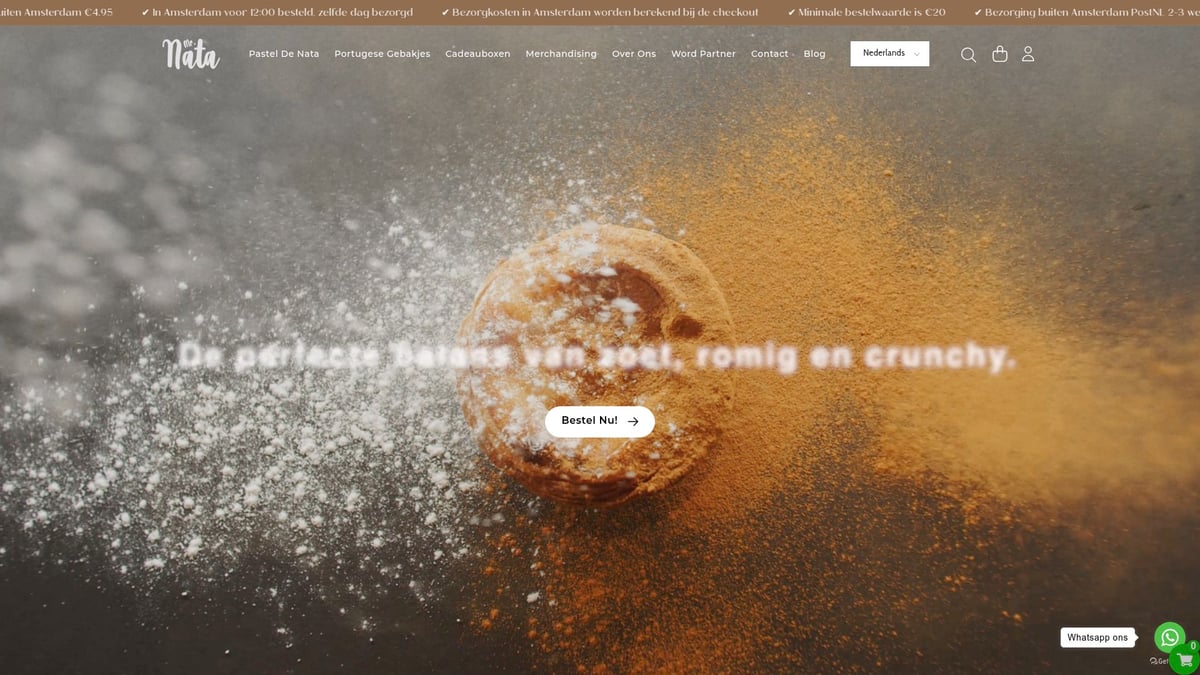
This isn't just fun for inspiration, but also ideal for experiencing the difference between home baking and authentic craftsmanship. This way, you'll know what you're working towards and get new ideas for your pasteis de nata ingredients.
Frequently Asked Questions about Pasteis de Nata Ingredients
Can I substitute regular milk with plant-based milk?
Many people wonder if you can replace regular milk with plant-based milk in pasteis de nata ingredients. The answer is yes, but it does affect the taste and texture. Soy milk and oat milk are the most popular alternatives because they're creamy and not overpowering. Coconut milk adds a sweeter, tropical twist. Want to try a completely plant-based option? Check out this vegan pasteis de nata recipe for inspiration.
Why is it important to use only egg yolks?
Egg yolks are essential for a silky-smooth filling in pasteis de nata ingredients. They bind the filling, give it a beautiful yellow color, and give it that characteristic custard flavor. Adding whole eggs will make the filling too firm and less creamy. Scientifically speaking, egg whites contain water, which can make the texture grainy. So, for the best results, use only the egg yolks.
Can I make puff pastry myself or is it better to buy it?
Making puff pastry yourself is an art in itself. It delivers the best flavor and texture, but it takes a lot of time and practice. Ready-made puff pastry from the supermarket is fine if you want quick results. Want to get started yourself? Follow an authentic pastéis de nata recipe for step-by-step help. Beginners often opt for ready-made, but those who really want to go all out can roll and fold it themselves.
Which sugar gives the best taste?
Granulated sugar is the classic choice for pasteis de nata ingredients. It caramelizes beautifully and gives the custard its golden brown color. Powdered sugar is often used as a topping after baking, not in the filling. Feel free to experiment with cane sugar for a deeper flavor, but be aware that the caramelization will be different. Alternatives like stevia are possible, but they can affect the texture.
How long do pastéis de nata stay fresh?
Pastéis de nata are best enjoyed fresh from the oven. Cooling them is certainly an option, but after a day, the puff pastry will become less crispy. Store them in an airtight container at room temperature for up to two days. Freezing is also an option: let them cool completely first, wrap them well, and warm them briefly in the oven for a crispier bite.
Are there any Portuguese ingredients that are difficult to obtain in the Netherlands?
For pasteis de nata ingredients, most products can be found in the supermarket. Authentic Portuguese vanilla, a specific liqueur like ginjinha, or traditional Portuguese puff pastry can be difficult to find. Check delicatessens or online Portuguese webshops. It's best to buy organic lemon zest for added flavor and fewer pesticides.
What are the most common beginner mistakes?
Many beginners make mistakes with pasteis de nata ingredients, such as too much sugar, using whole eggs, or using puff pastry that's too thick. Some also forget to roll out the puff pastry thinly enough or opt for skimmed milk, which makes the custard less creamy. The solution: read the recipe carefully, measure everything accurately, and don't be afraid to practice. This way, you'll bake better and better pastéis de nata step by step!
Now that you know all about the best ingredients for authentic pastéis de nata, you're probably eager to try your hand at making them yourself or to taste the difference with these original Portuguese treats. Perhaps you're curious about what the perfect custard filling tastes like, or simply want some inspiration before you start baking. Why not do both? We deliver freshly baked pastéis de nata to your door daily, in a variety of flavors, even vegan or as a gift. Order today and experience the magic for yourself. Order now