
Dreaming of the sun on your face and the smell of freshly baked treats? With pasteis de, you can bring a little piece of Portugal right into your own kitchen.
By 2025, these iconic cream tarts will be a real hit, not only in Portugal, but also in the Netherlands and Belgium. More and more people want to experience that authentic, creamy taste for themselves.
In this article, I'll take you on a delicious journey. You'll discover the secrets behind the original recipe, the best addresses, handy serving tips, and the latest trends. It'll make you want to taste, bake, and experience the magic of Portugal for yourself!
The Origin and History of Pastéis de Nata
Monks, Monasteries and the Secret Recipe
The journey of pasteis de begins in the impressive Jerónimos Monastery in Belém, Lisbon, at the beginning of the 19th century. Here, monks used egg yolks to make a rich cream filling, while the egg whites were used to starch clothing. These clever culinary practices laid the foundation for the famous pastry.
When the monasteries in Portugal were forced to close, the secret recipe for pasteis de was sold to a local baker. This baker opened a shop next to the monastery and baked the delicacy according to the original, closely guarded formula. Since 1837, the recipe has been used exclusively at Antiga Confeitaria de Belém.
To this day, the pasteis recipe remains one of Portugal's best-kept secrets. Only a few people know its precise composition. Curious about more background on this tradition? Then read on to What is Pastel de Nata?
From Lisbon to the World: Spread and Fame
Pasteis de became the national symbol of Portugal. The pastry quickly spread to bakeries around the world, from London to Sydney. The irresistible combination of crispy dough and creamy filling captured hearts everywhere.
Pasteis de are becoming increasingly common in the Netherlands, thanks in part to holidays in Portugal and the rise of food trends. Portuguese gastronomy, of which pasteis de is a key component, is even recognized as a cultural heritage by UNESCO.
Millions of pasteis de are sold in Portugal itself every year. Their global fame ensures the pastry remains incredibly popular outside of Portugal as well. These days, you can find them in trendy coffee shops, at markets, and even as a dessert in Michelin-starred restaurants.
Difference between Pastel de Nata and Pastel de Belém
Although many people confuse pasteis de nata and Pastel de Belém, there's a clear difference between the two. Pastel de Belém is made only at the original bakery in Lisbon, using the secret, authentic recipe. All other pasteis de are based on this original, but often contain slight variations in texture, flavor, or ingredients.
The preparation method and the ingredients used can vary from baker to baker. However, connoisseurs agree: you can taste the difference between a regular pasteis de and a genuine Pastel de Belém. Both names are common in Lisbon, but tourists sometimes queue for hours for that iconic treat.
Their unique story and rich tradition make pasteis one of the most beloved sweets, both in Portugal and far beyond.
The Authentic Taste: What Makes a Real Pastel de Nata?
The true magic of pasteis de can only be tasted when you eat one warm from the oven. But what makes an authentic pastel de nata so distinctive and irresistible? It's all about the perfect balance of texture, flavor, tradition, and a touch of mystery. Let's discover together what to look for when you want to taste or bake the very best pasteis de.
The Secret of Perfect Texture and Taste
What immediately stands out about good pasteis de is the crisp, almost wafer-thin layer of puff pastry. This pastry forms a crunchy shell that contrasts with the soft, creamy custard filling. The custard is slightly sweet, with a subtle hint of lemon and sometimes a touch of cinnamon.
Those characteristic dark spots on the top are created by baking at extremely high temperatures, often around 250 to 280 degrees Celsius. This caramelizes the top, giving the pastel de nata its characteristic look and flavor. The perfect pastel de nata is golden brown, with a few dark spots, and smells wonderfully of vanilla and citrus.
The secret also lies in the ingredients. Only fresh eggs, whole milk, real butter, and a pinch of salt create that rich flavor. Pasteis de is best enjoyed while still slightly warm, when the custard is still soft and the crust is extra crispy. This way, you'll taste Portugal in every bite.
Ingredients: Traditional vs. Modern Variations
Traditional pasteis de are made with simple ingredients: flour, butter, egg yolks, milk, sugar, lemon zest, and cinnamon. This creates that pure, recognizable flavor. However, modern variations are increasingly appearing. Think vegan pasteis de with plant-based milk and margarine, or surprising flavors like chocolate, raspberry, and even matcha.
Local influences also play a role. In Portugal, regional milk and butter are often used, which gives the pastry a slightly different flavor than in the Netherlands or Belgium. Some bakers opt for ready-made puff pastry, while others make everything from scratch for an authentic feel.
Curious about all the varieties and flavors available today? Then take a look at the Pastel de Nata Collection Overview for inspiration and new variations. You'll discover just how wide the range of pasteis has become.
Baking Techniques and Shapes
For the perfect pasteis de, use special, tapered metal molds. These ensure the dough bakes evenly and the custard sets nicely. At home, you can use muffin or cupcake molds, but adjust the baking time slightly.
The dough should be super thin, almost transparent, so it becomes nice and crispy. The filling shouldn't be too high, otherwise you risk it overflowing. Always bake on a very hot oven setting; this creates those characteristic dark spots and the best texture. This way, you can serve the most authentic pastries.
How to Make Pastéis de Nata Yourself: The Ultimate Recipe for 2025
Imagine: the aroma of freshly baked pastries filling your home, crisp puff pastry and creamy custard awaiting you. Making your own pastries might seem daunting, but with this recipe, anyone can do it. Discover step-by-step how you can whip up the most delicious pastries from your own oven by 2025.
Supplies & Ingredients
For the base of pasteis de you need the following:
-
For the dough:
- 250 g flour
- 180 g cold butter
- 1 pinch of salt
- 120 ml cold water
-
For the custard filling:
- 6 egg yolks
- 500 ml whole milk
- 200 g sugar
- 1 lemon (peel only)
- 1 cinnamon stick
- 30 g flour
-
Finish:
- Powdered sugar
- Cinnamon powder
-
Supplies:
- Metal muffin tins or pastry molds
- Oven (min. 250°C)
- Whisk, saucepan, rolling pin
Want a modern twist on your pasteis de? There are also vegan Pastel de Nata options that are surprisingly delicious. With gluten-free flour and plant-based milk, you can even make them suitable for almost any diet.
Step by Step: Preparing the Dough
The dough is the secret behind that characteristic crispness of pasteis de. Start by mixing the flour, salt, and cold butter into coarse crumbs. Gradually add the cold water until you have a cohesive, but not too wet, dough.
Let the dough rest in the refrigerator for at least 20 minutes. Then roll it out into a rectangle. Fold the dough in thirds, give it a quarter turn, and roll it out again. Repeat this process three times for a nice puff pastry effect.
Then, tightly roll the dough into a long roll. Cut it into slices about 1.5 cm thick. Press each slice into a greased pan, making sure the bottom and sides are nice and thin. This will give your pasties that characteristic, crispy edge.
Let the molds with the dough rest in the refrigerator for a while. This prevents the dough from shrinking while baking your pastries.
Step-by-Step: Making the Custard Filling
While the dough rests, prepare the filling for your pasteis de. Heat the milk with the lemon zest and cinnamon stick until just barely simmering. Let this steep for five minutes for extra flavor, then remove the zest and cinnamon stick.
In a separate bowl, combine the sugar and flour thoroughly. Pour in the warm milk and stir until smooth. Return the mixture to a low heat and let it thicken briefly until it forms a thin custard.
Let the custard cool to body temperature. Now stir in the egg yolks to create a nice, smooth filling. Fill the pastry cases with this custard to just below the rim. This will prevent your pastries from overflowing during baking.
Let the filled molds rest for another five minutes before placing them in the oven. This will make the filling extra creamy and firm in your pastries.
Baking and Finishing: The Secret of the Portuguese Bakers
Preheat your oven to at least 250°C (482°F). A hot oven will give your pastries that authentic, dark charred look. Place the ramekins on a baking sheet in the center of the oven.
Bake the pasteis de for 13 to 17 minutes. Be careful: the top should be darkened, but the custard shouldn't burn. Remove them from the molds immediately and let them cool on a wire rack.
Dust the pasteis de generously with powdered sugar and cinnamon. Serve them lukewarm, as that's how you best savor the crispy crust and soft filling. With this technique, your pasteis de will taste just as good as they do in Portugal.
For an extra festive feel, present them on a beautiful platter or cake stand. You'll find that pasteis are always the first to go.
Common Mistakes and Tips for Perfection
Want your pasteis de to be truly perfect? Then pay attention to these points:
- Always roll out the dough thinly, otherwise you will get a soggy base.
- Fill the molds to just below the rim to prevent boiling over.
- Use a well preheated oven, otherwise the top will not caramelize properly.
- Store pasteis in an airtight container in the refrigerator for up to four days. Briefly reheating them in the oven will make them crispy again.
- They can be frozen, but pasteis are best when fresh.
With these tips and the ultimate recipe, you'll be serving up the most delicious pasteis de in 2025. What are you waiting for? Time to get started and enjoy the Portuguese sun in your own kitchen.
Where to Eat the Best Pastéis de Nata in 2025?
Where can you truly enjoy the most delicious pasteis de? Whether you're in Portugal itself, wandering through the Netherlands, or simply want to try them at home, there are plenty of places where you can experience this iconic treat at its finest. Below are the hotspots for 2025.
Top Locations in Portugal: From Lisbon to Porto
If you've ever been to Portugal, you know that pasteis de are nowhere as good as they are here. The absolute classic is Antiga Confeitaria de Belém in Lisbon, where the secret recipe has been kept since 1837. People queue up daily for these crispy, warm pastries.
Manteigaria in Lisbon is also a must-see, with an open bakery where you can see the craftsmanship up close. In Porto, you'll find Fabrica da Nata, famous for its artisanal production and modern atmosphere. Local pastelarias in small villages often surprise you with their unique twist on pasteis de. Every year, bakers compete for the title of "best pastel de nata in Portugal," raising the bar ever higher.
Pastéis de Nata in the Netherlands & Belgium: Rise of the Portuguese Baker
Pasteis have also become a staple in the Netherlands and Belgium. Portuguese bakeries and cafés are popping up, especially in major cities like Amsterdam, Rotterdam, Antwerp, and Brussels. Thanks to the influence of Portuguese immigrants and food trends, the baking culture here is getting a delicious boost.
Local bakers are daring to experiment with flavors and presentation, resulting in surprising variations on the original. Want to know where to sample the best pastéis de nata in the Netherlands ? Check out this list of hotspots in Amsterdam and the surrounding area. The bakeries here average a 4.8/5, so you can't go wrong.
Order Pastéis de Nata from Mister Nata: Authentic & Fresh from Amsterdam
Don't have time to fly to Portugal? Mister Nata brings authentic Portuguese pastries to your door in the Netherlands and Belgium. They're baked fresh daily, with a choice of classic, vegan, and unique flavors.
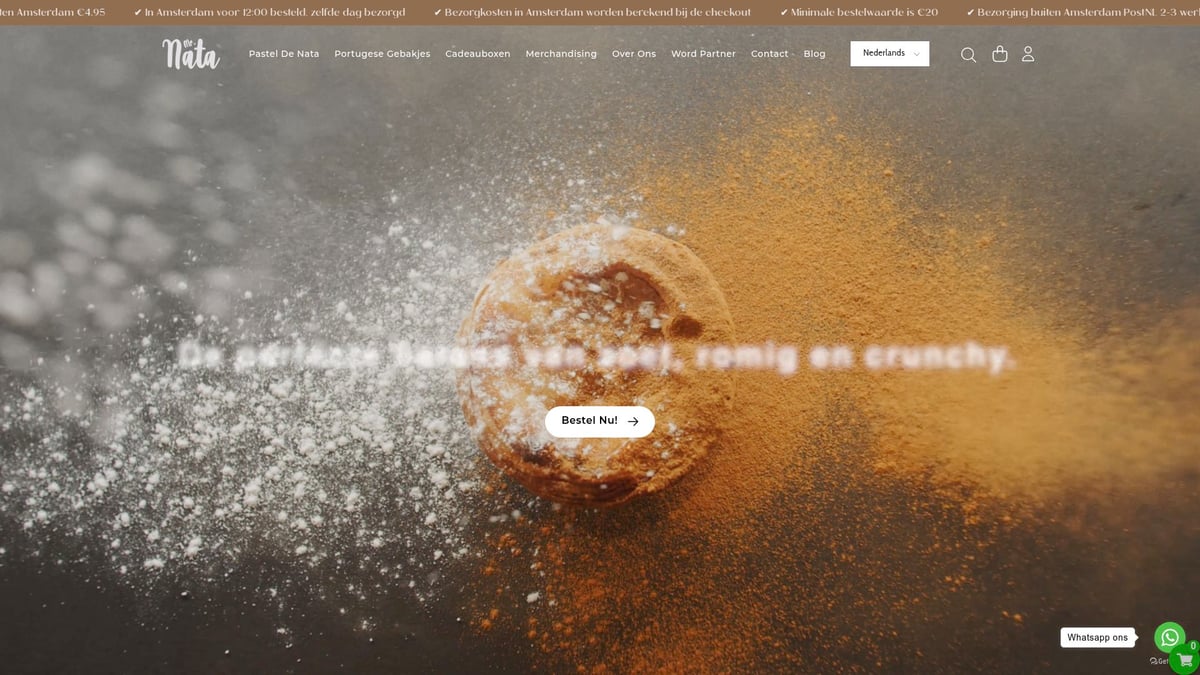
You can easily order online, with same-day delivery in Amsterdam. Also nice: gift wrapping including Portuguese wines or liqueurs. Visit one of the three locations in Amsterdam for an authentic café experience. Customers rate their pastéis de with an impressive 4.8/5 from over 700 reviews.
What to Consider When Choosing a Pastel de Nata
How do you recognize the very best pasteis de? First, look at the dough: it should be crisp and thin, without a soggy base. The filling should be creamy, with a nice balance of sweetness, citrus, and a hint of cinnamon.
Look for dark spots on the top, which indicate they've been baked correctly. Ideally, choose ones that are fresh from the oven, as they're best when fresh. Finally, check customer reviews and the bakery's reputation for a guaranteed top-notch experience.
Serving and Pairing Tips: How to Enjoy Like a Portuguese
Want to truly enjoy pasteis de? Then it's not just about the recipe, but also about how to serve, combine, and store them. Below, you'll find how to experience this Portuguese classic like a true local, with handy tips for every occasion.
Traditional Portuguese Ways to Serve
In Portugal, pasteis de are best enjoyed lukewarm, straight from the oven. Sprinkle them generously with powdered sugar and a pinch of cinnamon for that authentic flavor. Many Portuguese enjoy them for breakfast or as a quick snack. Serve them on a simple plate or in a paper bag, just like in Lisbon's famous pastelarias. Use a classic cup and saucer for added ambiance at the table. Every bite will feel like you're enjoying a moment on a sunny terrace in Portugal.
Drink Pairings: Coffee, Port & More
The ultimate pairing with pasteis de? Without a doubt, a strong espresso, also known locally as "bica." The bitter taste of coffee provides a perfect contrast to the creamy filling. Fancy something a little different? Try it with a glass of port wine or Ginjinha (cherry liqueur). For a refreshing twist, Moscatel de Setúbal is recommended. In the Netherlands, many opt for cappuccino or tea, but in Portugal, you usually enjoy it standing at the bar. This way, you can taste pasteis de just like the locals.
Creative Variations and Food Pairing in 2025
In 2025, pasteis de will be not only classic but also surprisingly creative. Think versions with chocolate, raspberry, apple-cinnamon, or even vegan and gluten-free. They're increasingly being combined with ice cream, fresh fruit, or even Portuguese cheeses for a modern dessert. On social media, you'll see the most beautiful presentations, from colorful toppings to mini pastries. Want to discover more Portuguese treats that pair perfectly with pasteis de? Then take a look at Discover Portuguese Pastries for inspiration.
Store, Reheat and Present
Do you have leftover pasteis? Store them in an airtight container in the refrigerator for up to 3 to 4 days. For the best taste and texture, warm them briefly in the oven at 180°C (350°F). Avoid the microwave, as they lose their crispy crust. Serve them festively on a cake stand or wooden board, for example, at brunch or as a birthday treat. They also make an ideal gift, wrapped in a beautiful box for a truly Portuguese surprise.
Trends & Innovations: Pastéis de Nata in 2025
The world of pasteis de is changing rapidly in 2025. New flavors, sustainable initiatives, and a generous dose of creativity will put this Portuguese classic firmly in the spotlight. Curious what to expect this year? Dive into the latest trends and innovations.
New Flavors and Ingredients
Pasteis de will be anything but standard in 2025. More and more bakers are experimenting with vegan pasteis de, made with plant-based milk and margarine. Surprising flavors like apple-cinnamon, raspberry, chocolate, and even blueberry are also appearing in the display cases.
Local ingredients take center stage: think matcha, pistachios, or orange zest for a fresh twist. Fusion cuisines inspire combinations with Asian spices or tropical fruits. Unique limited editions transform pasteis de into something special every month. So you never have to try the same thing twice!
Sustainability and Local Production
Sustainability is now an integral part of Pasteis de. Bakers are increasingly choosing organic and local ingredients. This way, customers know exactly where their treats come from. Small portions and reusable packaging help reduce food waste.
Some bakeries even aim for carbon-neutral production. Transparency about the origins and production process is valued by conscious pasteis de lovers. Partnerships with local farmers and suppliers complete the picture.
The Role of Social Media and Online Ordering
Social media is driving the popularity of pasteis de. On Instagram and TikTok, you'll see the most beautiful presentations and creative recipes. Online ordering is growing rapidly, especially in the Netherlands and Belgium. More and more people are having fresh pasteis de delivered to their homes.
Reviews and customer ratings determine which bakeries are in the spotlight. Influencers and food vloggers are making pasteis a real hype. Digital gift cards and subscription boxes ensure you always have an excuse to share this delicacy or give it as a gift.
Pastéis de Nata as Cultural Heritage and Food Tourism
Pasteis de have become a symbol of Portuguese hospitality and culture. Food tours in Lisbon and Porto increasingly focus on this delicacy. Workshops and baking classes are popular with tourists and home bakers alike.
The Portuguese government promotes pastéis de as a national export. There is even a pending application to UNESCO for recognition as intangible cultural heritage . Pastéis de connect people worldwide and offer a taste of the sun, wherever you are.
After reading about the rich history, the secret recipe, and all the tips for making your own pastéis de nata, you're probably itching to taste that authentic Portuguese experience. Luckily, you don't have to fly to Lisbon, because Mister Nata bakes fresh, authentic pastéis de nata every day in the heart of Amsterdam—classic, vegan, or with a twist. Order them for home, as a treat, or as a gift, and they're delivered quickly in the Netherlands and Belgium. Curious to experience Portugal in one bite?