
Discover why the Portuguese nata will be the must-try pastry by 2025. This small, golden-brown treat is conquering the world with its iconic status and irresistible flavor.
Curious about the origins of portugal nata and why everyone loves it so much? In this guide, we delve into its rich history, sample authentic and modern varieties, and share the best places to eat it.
Want to make the perfect nata yourself or stay up-to-date on the latest trends? Read on to discover everything you need to know about this Portuguese masterpiece.
The Origin and History of Pastéis de Nata
Anyone who's ever been to Portugal knows the moment: you smell the warm aroma of freshly baked pastries and immediately know it's the famous portugal nata. But where does this delicacy actually come from? The story behind portugal nata is just as unique as the flavor itself.
Monastic roots and its origins in Belém
Let's go back to 18th-century Lisbon. At the Jerónimos Monastery in Belém, the monks had a clever idea. They had leftover egg yolks after starching their habits with egg whites and decided to make sweets from them. Thus, the secret recipe for the very first portugal nata was born.
When the monastery closed in 1820, the recipe was transferred to a local sugar refinery. From this, the Fábrica dos Pastéis de Belém grew, where the original, top-secret recipe is still baked today. Millions of pasteis de nata find their way into hungry hands every year. In 2023, over 22 million were sold, demonstrating the importance of the portugal nata to Portuguese heritage.
These small pastries have become a national symbol. They represent not only the rich tradition of Portuguese bakers but also the ingenuity of the monks. Want to delve deeper into the fascinating story? Then be sure to read the history of pastel de nata for a comprehensive look behind the scenes of this iconic treat.
International breakthrough and contemporary popularity
The journey of the portugal nata didn't stop in Belém. Thanks to Portuguese sailors and traders, the pastry spread throughout the world. A unique version even emerged in Macau, a former Portuguese colony in Asia. This is how the portugal nata became an international concept.
Tourism also played a major role. More and more holidaymakers discovered portugal nata in Portugal and wanted to try it at home. As a result, Portuguese bakeries opened in global cities like London, Paris, Berlin, and Tokyo. The wave of Portuguese migration helped put the delicacy on the menu everywhere.
The portugal nata has now been nominated for UNESCO's list of intangible cultural heritage, further emphasizing its importance to Portuguese culture. Today, eating a fresh portugal nata is a daily ritual for both locals and tourists. You can find them everywhere: from small neighborhood supermarkets to chic coffee shops.
This global popularity has made the portugal nata a staple in the street scene. It's a pastry that connects people, evokes stories, and always leaves you wanting more. Whether you're in Lisbon or Tokyo, the portugal nata remains a piece of Portugal on your plate.
The Authentic Pastéis de Nata Recipe: Tradition and Innovation
The magic of portugal nata begins with its authentic recipe. This pastry is not only a classic in Portugal but beloved worldwide for its creamy filling and crispy layers. But what makes this delicacy so special, and how can you make the perfect portugal nata yourself? Let's delve into the tradition and the latest innovations together.
Ingredients and preparation method step by step
The foundation of a true Portugal Nata requires simplicity and precision. You'll need:
- Puff pastry (preferably homemade)
- Egg yolks (for that rich custard flavor)
- Milk
- Sugar
- Lemon peel
- Cinnamon stick
The first step is to roll out the dough thinly to create those characteristic, crispy layers. Then, heat the milk, sugar, lemon zest, and a cinnamon stick until everything is dissolved. Beat the egg yolks, remove the lemon and cinnamon from the milk, and mix everything together until smooth.
Fill the ramekins with pastry and pour the custard in until just below the rim. Bake the portugal nata at 250°C (480°F) for about 15 to 18 minutes, until golden brown and caramelized. Fresh eggs and allowing the pastry to rest will ensure the best results.
In Portugal, bakers bake thousands of natas every day. Their secret? Baking multiple pastries simultaneously for optimal heat distribution and always serving them straight from the oven. Want to try it at home? Check out the Authentic Pastéis de Nata recipe for more tips and inspiration.
Modern variations and innovative flavors in 2025
Portugal nata continues to reinvent itself. In 2025, you'll see an explosion of new flavors and variations. Vegan and gluten-free options are gaining ground, thanks to plant-based milk, margarine, and gluten-free puff pastry. This way, everyone can enjoy Portugal nata, regardless of dietary requirements.
Bakers are experimenting wildly: think chocolate, blueberry, raspberry, or even port wine in Porto. In the Algarve, you can try natas with almond or orange. Social media plays a major role, as limited editions with colorful toppings and edible flowers are incredibly popular.
Sustainability is also key. More and more bakers are opting for organic ingredients, local products, and eco-friendly packaging. The presentation is becoming increasingly attractive: mini natas, festive boxes, everything to make the portugal nata extra special. Yet, the traditional recipe remains the foundation, creating a perfect balance between past and future.
Mister Nata: Authentic Pastéis de Nata in the Netherlands
Craving a real Portuguese nata, but you're not in Portugal? Mister Nata in Amsterdam brings that authentic taste to the Netherlands. Freshly baked pastéis de nata are made daily here in a variety of flavors, including vegan options.
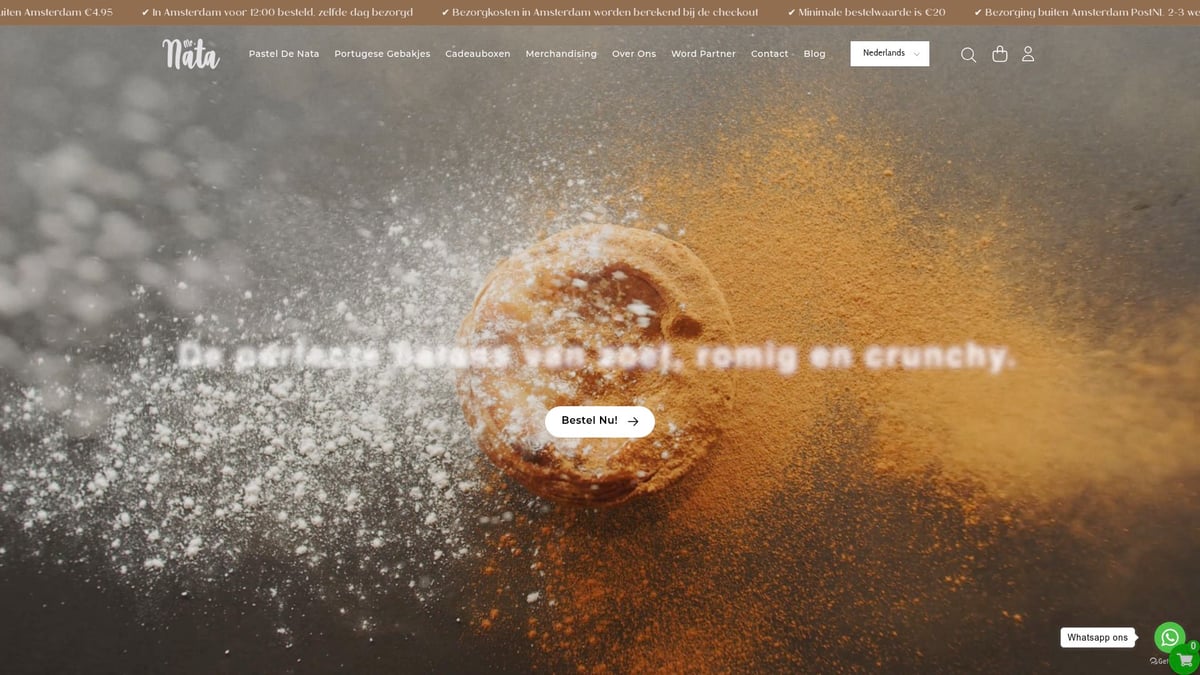
You can not only visit us, but also have Natas delivered throughout the Netherlands and Belgium. There are even gift boxes and gift sets with Portuguese drinks, ideal for foodies, expats, or as a unique gift.
Mister Nata proves that tradition and innovation go hand in hand. This way, you can enjoy the ultimate portugal nata experience even outside of Portugal, without compromising on taste or experience.
The Best Pastéis de Nata in Portugal: Regions & Recommendations
Where should you go for the very best portugal nata experience? Every region in Portugal has its own unique charm, tradition, and surprises when it comes to this iconic treat. Whether you choose the classic pastéis in Lisbon, a surprising twist in Porto, or a local treat in the Algarve, every bite is a new discovery. Let's embark on a flavor journey together through the birthplace of portugal nata.
Lisbon: tradition in Belém and modern hotspots
Lisbon is the home of the original portugal nata. In the Belém district, you'll find the Fábrica dos Pastéis de Belém, where the secret recipe has been baked since 1837. Long lines of locals and tourists form here daily, eager to sample freshly baked natas.
Besides this classic, the city boasts numerous modern bakeries and trendy cafés, such as Manteigaria and spots in Bairro Alto, Alfama, and Chiado. Each bakery puts its own unique spin on portugal nata, with subtle differences in crispiness, filling, and presentation.
The morning routine of many Lisboetas? A hot nata with a strong espresso, often standing at the bar. Thanks to social media, food tours and nata tastings have become incredibly popular. Curious about the best places for nata in Portugal ? There are countless recommendations you won't want to miss.
Porto and the North: unique interpretations
Portugal nata is also a staple in Porto and the northern regions. Here you can discover surprising local variations, such as natas with a dash of port wine or even served with a piece of cheese.
Well-known places include Confeitaria do Bolhão and Nata Lisboa, where family businesses have passed down their secret recipes for generations. In the north, the natas are often slightly less sweet and extra crispy, making them unique within the Portuguese nata tradition.
In addition, there are increasingly more berry and cinnamon varieties available, a perfect balance between tradition and innovation. A nata tasting in Porto feels like a taste journey through the rich northern baking culture.
Algarve, Alentejo and other regions: regional diversity
In southern and inland Portugal, you'll discover a world of regional variety. In the Algarve, natas are often enriched with almonds, orange, or a pinch of sea salt, providing a refreshing twist on the classic Portuguese nata.
The filling here is sometimes extra creamy and airy, thanks to the use of local dairy and eggs. In the Alentejo, you'll see influences of citrus and spices, while village bakeries add their own secret ingredients.
Take a road trip past various pastelerias and experience how each region puts its own stamp on the portugal nata experience.
Insider tips: how to recognize a truly good pastel de nata
Curious how to recognize top-quality Portugal Nata? Look for these details:
- Appearance: golden brown color, visible layers in the puff pastry, small bubbles on the custard.
- Texture: crispy exterior, creamy filling, perfect balance between sweet and citrus/cinnamon.
- Freshness is everything: preferably fresh from the oven, just after opening time.
- Price: Usually between €1 and €2 each, depending on location.
- The ultimate combo: a portugal nata with a strong Portuguese espresso.
With these tips, you'll always taste the best Portugal has to offer, wherever you are!
Pastéis de Nata Trends and Innovations in 2025
Trends change quickly, and portugal nata will be all the rage in 2025. Everywhere you look, you'll see new flavors, innovative presentations, and a strong focus on sustainability. The classic pastel de nata is being joined by all sorts of surprising variations that will tantalize your taste buds.
New flavors, sustainability and presentation
Today's portugal nata is no longer just the traditional custard tart. In 2025, you'll find amazing flavors everywhere, like chocolate, blueberry, raspberry, matcha, and even local specialties like port wine from Porto or oranges from the Algarve. Vegan and gluten-free versions are booming, as more and more people want to indulge without compromising on dietary requirements. Bakeries are cleverly capitalizing on this and are experimenting extensively.
Sustainability is a major trend in the Portuguese-nata world. More and more bakeries are opting for organic ingredients, local milk and eggs, and eco-friendly packaging. Vegan bakeries are popping up everywhere, and their offerings are growing by 40 percent annually. Consumers want not only delicious food but also to know where it comes from and that it's responsibly sourced.
Presentation is more important than ever. Mini natas, bright colors, edible flowers, and Instagram-worthy boxes make the Portuguese nata a real eye-catcher on social media. Food festivals are the place to be for limited editions and crazy experiments. Think natas with lavender, caramel sea salt, or even matcha. According to experts, innovative flavors now account for 20 percent of total nata sales.
Want to sample the innovative side of portugal nata for yourself? Manteigaria is a must-visit: a modern pastéis de nata hotspot in Lisbon. Here, you'll taste how tradition and innovation blend in every bite.
Workshops, tastings, and the stories behind the pastries complete the experience. The portugal nata isn't just a pastry; it's an experience you'll want to share.
Technology and production: from bakery to home delivery
There's also a lot happening technologically around portugal nata. Automation ensures that dough and filling are always perfect, allowing bakeries to produce faster and more consistently. This makes it possible to deliver portugal nata worldwide at lightning speed and guarantee the same quality everywhere.
Online ordering has become the norm. Using apps and platforms, you can order fresh portugal nata with just a few clicks, often delivered to your home the same day. Fast delivery is the norm, especially in cities like Lisbon and Porto. Presentation is also key here: stylish boxes, cheerful prints, and sometimes even QR codes that link to a baking workshop or Portuguese music playlist.
These technological developments are dramatically expanding the reach of local bakeries. Where you used to be able to enjoy a true portugal nata only in Portugal, you can now do so from the comfort of your own home. Food delivery is making portugal nata a global phenomenon, and more and more people are discovering its unique flavor.
Consumers expect convenience and an experience. Ordering a portugal nata is more than just buying a pastry; it's a moment of enjoyment and connection with Portuguese tradition, even if you're thousands of kilometers away. The combination of innovation, technology, and storytelling ensures that portugal nata will be more relevant than ever in 2025.
Baking Pastéis de Nata Yourself: Step-by-Step Plan and Tips
Baking your own pastéis de nata is the perfect way to experience the magic of portugal nata in your own kitchen. Whether you're a seasoned home baker or just starting out, with the right tips, every tart will be a success. Let's discover together how you can conjure up that authentic flavor at home.
Supplies and ingredients
You don't need complicated equipment for a perfect portugal nata, but the right tools make all the difference. Get these things ready:
- Muffin tin or special nata baking tins
- Rolling pin
- Guard
- Saucepan
- Fine sieve
For the pastry, you can choose fresh or frozen puff pastry. Homemade puff pastry adds just that little bit of extra crunch to your portugal nata, but good quality store-bought will also work just fine.
The classic ingredients list:
- Puff pastry
- 6 egg yolks
- 500 ml milk (whole)
- 250 g sugar
- Lemon peel (from half a lemon)
- 1 cinnamon stick
Want to make a plant-based or gluten-free portugal nata? Use:
- Plant-based milk (such as oat milk or almond milk)
- Vegan margarine
- Gluten-free puff pastry
Tip: Fresh eggs and organic lemon really elevate your portugal nata. Use local and organic ingredients if you want to contribute to sustainability and flavor.
Feel free to experiment with extras like coconut blossom sugar, orange zest, or a pinch of sea salt for a surprising twist. This way, you can put your own spin on the traditional portugal nata.
Step-by-step recipe (chronological)
Now the real work begins: baking! With these steps, your portugal nata is guaranteed to be a success.
- Preheat the oven to 250°C.
- Roll out the puff pastry thinly and cut into circles. Line the molds with the pastry.
- Heat milk with sugar, lemon peel and cinnamon stick until the sugar has dissolved.
- Beat the egg yolks in a separate bowl.
- Remove the lemon zest and cinnamon from the milk, then slowly pour the milk into the egg yolks. Mix well.
- Fill the pastry cases with the custard filling to just below the rim.
- Bake the natas for 15-18 minutes until golden brown and caramelized.
- Allow to cool briefly and serve warm, sprinkled with icing sugar and cinnamon if desired.
Helpful tips for the perfect portugal nata:
- Bake several natas at the same time for an even result.
- Let the dough rest for extra crispiness.
- Do not overfill the molds, to prevent the custard from overflowing.
Common mistakes include using an oven temperature that's too low or a filling that curdles. Stick to the recipe and work quickly for the best results. Want to be more sure? Check out the step-by-step Pastel de nata recipe for additional explanations and photos.
For the more experienced: try mini natas for parties, or add blueberries, chocolate chips, or a dash of liqueur for a modern Portuguese nata twist. Need inspiration? Find more helpful ideas to further develop your baking skills at Pastéis de nata recipes and tips .
With these steps and a little courage, you'll be baking the most delicious portugal nata, just the way you like it. Share them, taste them together, and enjoy a little piece of Portugal at home!
Now that you know all about the rich history, the delicious variations, and the latest nata trends for 2025, you're probably already eager to try it yourself. Why wait until you travel to Portugal when you can experience the real taste right at home? With Mister Nata in Amsterdam, you can enjoy authentic pastéis de nata, freshly baked every day and in surprising flavors. Whether you're a foodie, looking for a gift, or simply craving something special – all you have to do is try it. Order your favorite nata today easily online via Order now .