
What makes Pastel de Nata more than just a pastry? People all over the world enjoy this Portuguese delicacy, but the origins of Pastel de Nata are shrouded in mystery and tradition.
Are you curious about the real story behind this iconic cake and how it has evolved up to 2025?
In this guide, you'll discover everything from hidden monastery recipes to global fame, modern trends, and the future of Pastel de Nata.
Read on and be surprised by the rich history, authentic recipe, and lasting impact of this Portuguese classic.
The Mystical Origin of Pastel de Nata
The origin of the pastel de nata is shrouded in mystery, steeped in legend and tradition. How can a small pastry have such an enormous cultural impact? The answer lies in the ancient walls of Portuguese monasteries, where the story of the pastel de nata origin begins.
The role of monasteries and monks
In the heart of Lisbon stands the imposing Jerónimos Monastery. Here, monks in the 18th and early 19th centuries found creative ways to utilize surplus egg yolks. They used the egg whites to starch their clothes, while the yolks ended up in sweet treats. This is how the origin of pastel de nata was born.
The first written references to the pastel de nata origin date back to the early 19th century. Monastery kitchens were the beating heart of Portuguese baking traditions at that time. Each order had secret recipes, often passed down only orally to the next generation of monks or nuns. Besides the pastel de nata origin, countless other monastery pastries emerged, such as Pão de Ló and Barriga de Freira.
What makes the original pastel de nata extra special is the use of local ingredients, such as fresh milk and sugar from the region. Millions of people flock to Belém every year to sample the original version. According to some legends, the recipe was even protected by sacred vows. Curious about even more details about this remarkable history? Then read on in Pastel de Nata in Belém , where you'll discover all about the birthplace of this iconic pastry.
The transition from monastery to bakery
The pastel de nata origin entered a new era due to the political unrest in Portugal. Around 1820, many monasteries were closed during the Liberal Revolution. Monks from the Mosteiro dos Jerónimos had to safeguard their secret recipes. They sold the recipe for the pastel de nata origin to a local baker, who opened the famous Fábrica de Pastéis de Belém in 1837.
From that moment on, the pastel de nata origin became commercially available. The bakery in Belém became a true pilgrimage site for gourmets. The recipe remained a closely guarded secret, shared only with a select group of master bakers. Even today, the pastel de nata origin is prepared in this bakery using the same mysterious method as back then.
The transition from monastery to bakery marks the beginning of the global journey of the pastel de nata origin. This small pastry, once known only within the walls of monasteries, is now a global icon. The success of the pastel de nata origin is due to the perfect combination of tradition, craftsmanship, and a touch of mystery.
The Original Recipe and The Secrets of Taste
Anyone who's ever tasted a warm Pastel de Nata has probably wondered: what makes this treat so irresistible? The answer lies deeper than you think. The original recipe, the preparation method, and the mystery surrounding it all contribute to this unique taste experience. Let's delve into the secrets behind the origin of the Pastel de Nata.
Ingredients and preparation method
It all starts with a handful of simple, pure ingredients. Think:
- Crispy puff pastry
- Rich egg yolks
- Fine sugar
- Whole milk and cream
This combination forms the basis of the original pastel de nata. But the secret lies not only in what goes into it, but especially in how it's made. The filling is creamy and subtly sweetened, while the dough is rolled out super thin and crispy. Everything is then baked at an extremely high temperature, creating the characteristic caramelized spots on the surface.
What many people don't know is that the pastel de nata originated at the Fábrica de Pastéis de Belém. The recipe has been a closely guarded secret there since 1837. Only a handful of master bakers know the exact proportions and technique. The difference between these famous Pastéis de Belém and the average Pastéis de Nata lies primarily in the texture and subtle flavor nuances. The Belém version is often considered the ultimate example, thanks in part to the use of fresh, local ingredients and the associated craftsmanship.
For those curious about the details, you will find an extensive explanation of the original recipe and the little tricks that make the difference in this Pastel de Nata recipe and secrets .
Did you know, by the way, that over 20,000 of these delicacies are sold daily at the bakery in Belém? That speaks volumes about the appeal of the pastel de nata origin.
Modern variations and influences
The pastel de nata origin may be a classic, but the world is constantly evolving. More and more bakers are experimenting with new flavors and techniques. Think versions with chocolate, red fruit, or even vegan alternatives. Gluten-free versions are also gaining popularity, so everyone can enjoy this Portuguese favorite.
International bakers sometimes add their own twist. In London, for example, you see pastel de nata made with matcha, while in the Netherlands, coffee chains like to experiment with cinnamon or caramel. This creates an interesting mix of tradition and innovation. Yet, there are heated discussions within the pastel de nata origin community: should you stay true to the original recipe, or is there room for innovation?
Renowned Portuguese chefs demonstrate that both are possible. They respect the pastel de nata's origins, but also dare to play with presentation and flavor. This creates limited editions with unique ingredients that continue to pique the curiosity of gourmets.
Yet, for many, the original remains unsurpassed. The magic of the authentic recipe, the aroma of freshly baked dough, and the first bite still slightly warm: that is the true pastel de nata origin experience.
The Global Rise of Pastel de Nata
Pastel de Nata's origins are a story that extends far beyond Portugal's borders. This beloved pastry has made a journey you wouldn't expect from such a small, round cake. How did this Portuguese delicacy become a global icon? Discover it below.
From Portugal to the world
The pastel de nata originated in Portugal, of course, but the pastry didn't remain popular there for long. Thanks to Portuguese explorers, traders, and colonists, it found its way to several continents.
In former Portuguese colonies like Brazil, Macau, and Goa, the pastel de nata originally became a staple in local cuisine. Portuguese emigrants brought their recipes to Europe, the US, and even Asia, leading to the pastry appearing in cities like London, Paris, and New York.
Below you will find an overview of countries where Pastel de Nata has become a hit:
| Country | Famous cities | Particulars |
|---|---|---|
| Brazil | Rio, São Paulo | Local variants |
| Macau | Macau City | Asian twist |
| UK | London, Manchester | Popular in coffee chains |
| France | Paris, Lyon | Luxury patisseries |
| US | New York, Boston | Food festivals & markets |
According to recent figures, there are hundreds of bakeries worldwide that offer pastel de nata as a specialty. In Belém, millions of tourists flock annually to the bakery where it all began. For more background on its international spread, visit Pastéis de Nata – the Portuguese monastery cake that conquered the world .
Pastel de Nata in the Netherlands and Belgium
It wasn't until around the year 2000 that pastel de nata origins made its debut in the Dutch and Belgian hospitality industry. Initially, it was introduced cautiously in Portuguese restaurants and delicatessens, but later it became increasingly common at food trucks, markets, and even in supermarkets.
The popularity was rapid. Foodies and coffee lovers discovered how well the pastel de nata origin pairs with an espresso or cappuccino. Coffee chains added the pastry to their offerings, and specialty shops sprang up, focusing entirely on this Portuguese classic.
In the Netherlands, sales of original pastel de nata even tripled between 2018 and 2024. Local initiatives, such as baking competitions and pop-up bakeries, help promote this authentic flavor. Belgian cities like Antwerp and Brussels now also have their own pastel de nata hotspots.
- You can find Pastéis de Nata today:
- At festivals
- In coffee bars
- At caterers and at markets
Pastel de nata origin is increasingly becoming an integral part of the Dutch and Belgian dining experience.
The Authentic Taste in the Netherlands: Mister Nata
For those who truly want to experience original Pastéis de Nata, Mister Nata is a must-have. This bakery delivers freshly baked, authentic Pastéis de Nata to the Netherlands and Belgium daily. With stores in Amsterdam and nationwide delivery, enjoyment is always close at hand.
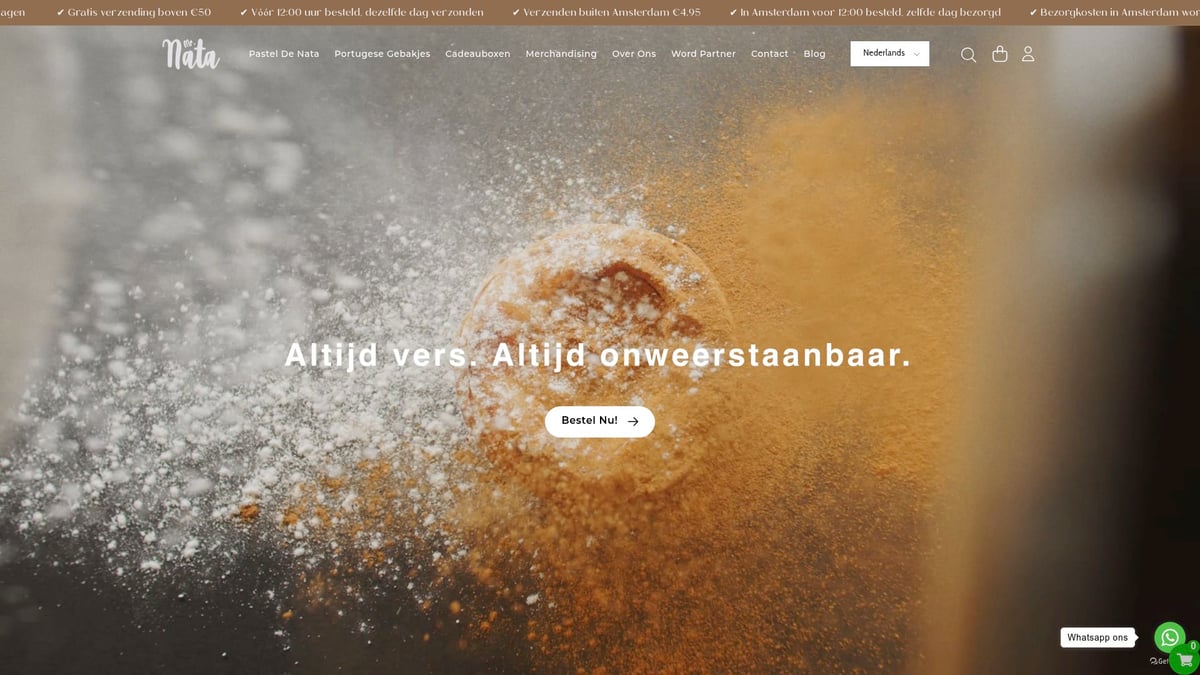
Mister Nata uses traditional recipes, resulting in the unique crispy crust and creamy filling so characteristic of the original pastel de nata. You can choose from classic flavors as well as innovative variations like vegan or with fruit.
Want to complete the Portuguese atmosphere? Mister Nata offers gift boxes, including Portuguese wine and liqueurs. This makes them perfect not only for yourself but also as a gift or treat for the office.
Whether you're an expat homesick for Portugal, a foodie, or simply curious about the origins of pastel de nata, at Mister Nata you'll always taste maximum freshness and craftsmanship.
Cultural Significance and Traditions Surrounding Pastel de Nata
Have you ever wondered why Pastel de Nata holds such a special place in the heart of Portugal? The origin of the Pastel de Nata is much more than just a story about a delicious pastry. It's about tradition, family, and national pride. Let's delve together into the rich cultural significance and traditions that make this treat so special.
Pastel de Nata as a national symbol
In Portugal, the pastel de nata is woven into the fabric of everyday life. The pastry is considered a culinary heritage, a symbol that almost every Portuguese person grows up with. Whether you're sitting in a bustling Lisbon café or at a family gathering, chances are you'll be offered a Pastel de Nata.
What makes it so unique are the moments in which it is enjoyed. Many Portuguese enjoy their Pastel de Nata with a strong espresso, as an after-dinner dessert, or during holidays. The origins of the pastel de nata can even be found in Portuguese films, music, and literature, where the pastry often symbolizes nostalgia, camaraderie, and the good life.
Did you know that several festivals and baking competitions are held annually in Lisbon, all dedicated to Pastel de Nata? During these events, the best pastry is chosen, and families share their secret recipes. According to recent figures, 95% of Portuguese people eat at least one Pastel de Nata per month. For a deeper dive into the culture, check out The Role of the Pastel de Nata in Portuguese Culture .
It is clear: the pastel de nata origin has put Portugal on the map not only culinary, but also culturally.
Rituals and customs
The original pastel de nata lives on in countless daily rituals. One of the most well-known traditions is sprinkling cinnamon and powdered sugar over the warm pastry just before taking a bite. Everyone has their own preference: some like a generous amount of cinnamon, others a light dusting of powdered sugar.
Regional differences are also striking. In northern Portugal, Pastéis de Nata are sometimes baked a little firmer, while in the south, the creamy filling is emphasized. During interviews with Portuguese people, you often hear personal stories about how Pastéis de Nata originally served as a centerpiece for family visits, birthdays, or simply as comfort on a rainy day.
Sharing a Pastel de Nata is more than just a meal; it's a social ritual. Friends gather at pastelarias to enjoy each other's company, and families pass on their favorite spots and insider tips to the next generation. Pastel de nata origins are therefore a unifying factor in Portuguese life.
Whether you're Portuguese or a visitor, sharing this pastry brings people together. That's what makes the pastel de nata origin a tradition that endures forever.
Pastel de Nata in 2025: Innovations and Future Expectations
The future of pastel de nata origin looks surprisingly bright. While tradition remains firmly in place, new flavors, digital developments, and a growing focus on sustainability are bringing a breath of fresh air. What can you expect in 2025 when it comes to this iconic Portuguese delicacy?
New flavors and trends
By 2025, pastel de nata origin will no longer be just a classic custard tart. Creative variations are popping up everywhere. Vegan and gluten-free options are now standard in many bakeries. More and more people are choosing plant-based alternatives, so bakers are developing recipes that taste just as creamy as the original.
Experimental flavors are also gaining ground. Think pastel de nata origin with matcha, chocolate, or even seasonal fruit. According to recent figures, demand for alternative flavors is growing by 30 percent annually in Europe. Young people, in particular, are fond of limited editions, for example, in collaborations with renowned chefs.
Here are some notable trends:
- Vegan pastel de nata origin with almond milk or coconut cream
- Pastéis filled with berries or citrus
- Colorful toppings, such as pistachios or caramel
Collaborations between top Portuguese chefs and international pastry chefs result in unique creations. Yet, the classic recipe remains the favorite of most connoisseurs.
Digitalization and sustainability
The digital world has given pastel de nata origin a significant boost. Online ordering platforms and delivery services make it easier than ever to receive fresh pastéis at home. Especially during lockdowns, many people discovered the convenience of online ordering.
Sustainability is also a key focus. Bakeries are switching to environmentally friendly packaging and choosing local ingredients whenever possible. This aligns with consumers' desire to consciously enjoy original pastel de nata without feeling guilty.
Some examples of sustainable and digital innovations:
- Online subscriptions for weekly delivery of pastel de nata origin
- Biodegradable packaging
- Use of solar panels for baking processes
- Social media campaigns around recycling and the origin of ingredients
Technology even influences the baking process itself. Smart ovens and sensors ensure a perfect caramel layer, every time. But despite these innovations, the human touch and passion remain the most important ingredients.
The enduring appeal of the original recipe
Despite all the innovation, pastel de nata origin remains especially beloved for its authentic flavor. The original recipe, preserved since the 19th century, remains the secret of Portuguese baking. Storytelling surrounding the origins and mystery of pastel de nata origin has captured the imagination of foodies worldwide.
Many travelers book a trip to Lisbon specifically to sample the original pastry. According to research, 70 percent of tourists list pastel de nata origin as one of their top three culinary experiences in Portugal. It remains a symbol of tradition, nostalgia, and craftsmanship.
Want to discover for yourself what makes the original recipe so special? Be sure to check out Traditional Portuguese Recipes: Pastéis de Nata for more background and inspiration.
Pastel de nata origin's journey into the future has only just begun. But whatever changes, the magic of the original recipe will always remain.
Practical Guide: Where and How to Enjoy Pastel de Nata
Want to experience the magic of pastel de nata origin for yourself? Whether you're in Portugal, want to bake at home, or are looking for a unique gift, this handy guide will help you get started. From secret bakeries to tips for home bakers, we'll take you on a journey through the world of this iconic treat.
The best places in Portugal and beyond
Want to experience pastel de nata origin at its finest? Then start in Lisbon, where more than 50 bakeries specialize in this treat. The absolute classics are Pastéis de Belém and Manteigaria , but small neighborhood bakeries will also surprise you with their own twists on the recipe.
Here are a few places you shouldn't miss:
- Pastéis de Belém (Lisbon): the most famous address, where the original recipe remains a closely guarded secret.
- Manteigaria (Lisbon & Porto): known for their crispy dough and warm filling.
- Confeitaria Nacional (Lisbon): one of the oldest confectioners in Portugal.
Pastel de nata origin is also growing rapidly outside of Portugal. In cities like London, Paris, and even Amsterdam, you can now find specialty shops and coffee bars where this delicacy takes center stage.
How do you recognize the best pastel de nata origin? Look for crispy, layered puff pastry, a filling that's just barely runny, and a nicely caramelized layer on top. Feel free to ask locals or expats where they get their favorites, because tastes vary!
| City | Recommended | Special feature |
|---|---|---|
| Lisbon | Pasteis de Belém | Original recipe |
| Porto | Manteigaria | Fresh from the oven |
| Amsterdam | Mister Nata | Daily fresh, classic and vegan |
Whether you choose a bakery with a history or a modern hotspot, you can taste the rich history of pastel de nata origin everywhere.
How to make Pastel de Nata yourself: step-by-step
Fancy bringing the original pastel de nata to life in your own kitchen? Good news: with a little patience, anyone can do it! You'll need:
- Puff pastry (preferably homemade or fresh)
- Egg yolks
- Sugar
- Milk and cream
- Lemon peel and cinnamon
Here's a simple step-by-step plan:
- Make the puff pastry and roll out thinly.
- Line small muffin cups with the dough.
- Boil milk, sugar, lemon peel and cinnamon into a syrup.
- Beat the egg yolks and mix with the syrup.
- Pour the filling into the molds.
- Bake over very high heat until the top turns dark.
Tips for a perfect pastel de nata origin:
- Always use fresh, local ingredients.
- Bake in a hot oven (250°C) for that characteristic caramelized layer.
- Allow the pastries to cool briefly, but enjoy them preferably lukewarm.
Common mistakes include using dough that's too thick, a filling that's too wet, or an underheated oven. So don't be afraid to experiment! Want a detailed recipe and more tips? Check out Pastéis de Nata - Laura's Bakery for a step-by-step guide.
Serve pastel de nata origin preferably with a cup of espresso, a glass of port or even a little cinnamon and icing sugar on top.
Pastel de Nata as a gift or treat
Looking for a unique gift or want to share original pastel de nata with friends and family? They're ideal as a festive treat, corporate gift, or birthday surprise. They can be beautifully packaged in luxury boxes, perhaps along with Portuguese wine or liqueur for a complete gift.
Think of these occasions:
- Birthdays and anniversaries
- Thank you gifts for colleagues or customers
- Holidays, such as Christmas or Easter
To keep pastel de nata origin fresh for as long as possible, store them in a cool place in an airtight container. Briefly reheating them in the oven will restore that crispy bite.
Many people choose to bring pastel de nata origin as a treat to brunch, picnics, or high tea. It's not only delicious but also a fun way to introduce others to Portuguese culture.
Whether you choose to taste it in Portugal, bake it yourself, or give it as a gift, pastel de nata origin remains a unique taste experience that will continue to surprise you.
Now that you know the fascinating story behind Pastel de Nata and how this Portuguese delicacy from the monasteries of Belém has captured the hearts of people worldwide, you might be eager to experience that authentic flavor for yourself. No need to travel to Lisbon, because Mister Nata brings authentic Pastéis de Nata right to your door in the Netherlands or Belgium. Whether you prefer classic, vegan, or a surprising twist – there's something for everyone. Curious how fresh and special they are? Order now and taste them for yourself!